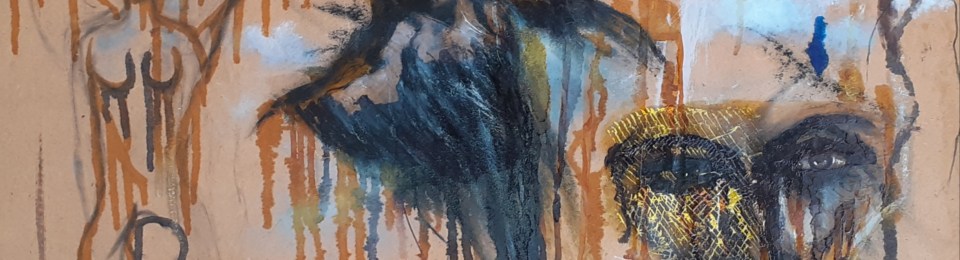

“BEYOND CONCEPTION” theme
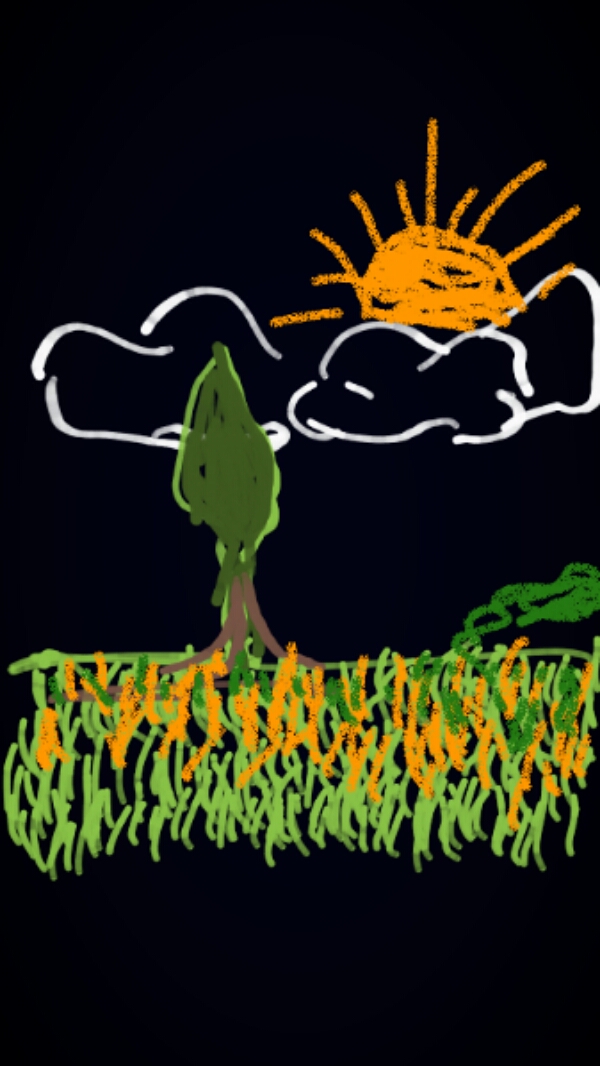
in cooperation with Adnan (11years)
“Beyond Conception” delves into the realms that extend beyond our sensory experiences and immediate awareness. It implies a contemplation of realities that may exist independently of our ability to perceive or comprehend them. This concept invites exploration into the metaphysical, the abstract, or the unobservable aspects of existence. Beyond perception, one might consider the mysteries of the cosmos, the nature of consciousness, or the existence of dimensions beyond our sensory reach. It prompts philosophical inquiries into the limitations of human understanding and the vast unknowns that persist in the universe. This phrase encourages a broader perspective that acknowledges the potential existence of phenomena or truths that transcend the boundaries of our perceptual capabilities, challenging us to engage with the profound mysteries that lie beyond the scope of immediate sensory awareness.
The concepts of good, justice, and evil have aroused the interest of man in general and philosophers, theologians, and thinkers in particular for centuries. These concepts, deeply rooted in human understanding, take on different dimensions when explored from the perspective of cosmic and existential truth compared to the human point of view. In this topic, we will delve into the relationship and differences between these concepts from both angles, so that we may ultimately reach the conclusion that it is the human being who shapes and determines these moral values.
When contemplating the relationship and contrast between the cosmic and existential truth of good, justice, and evil, a resounding conclusion emerges: Man is the creator of these values. The essence of good and evil, justice and injustice, is shaped by human consciousness, cultural evolution, and societal dynamics.
Throughout history, civilizations have formulated complex moral codes, legal systems, and ethical frameworks to deal with the complexities of human interactions. These compositions serve as a testament to humanity’s role as the author of its own moral narrative. The diversity of moral systems across cultures, religions, and historical eras reinforces the idea that these values are not predetermined universal principles but rather the product of human creativity.
Unlike the world of universal metaphysical norms, the concepts of good, justice, and evil are seen as fundamental principles that transcend individual viewpoints. Some argue that there is a moral compass built into the fabric of the universe, guiding humanity toward a higher goal. This perspective is often based on religious or metaphysical beliefs, assuming that principles of goodness and justice are inherent and absolute.
In this sense, goodness is an objective force that corresponds to virtues such as kindness, compassion, and altruism. Justice is viewed as a universal balance, ensuring that every action has a corresponding outcome. Evil, in turn, is seen as a deviation from the natural order, and a force that upsets the balance of the universe.
However, a challenge arises when one tries to define what constitutes good, justice, or evil on a cosmic scale. Different cultures, religions and philosophical traditions offer different interpretations, leading to a nuanced and complex understanding of these concepts. The ambiguity surrounding their definition points to the subjective nature of these supposedly universal truths
When we shift our gaze to the human perspective, the narrative takes on a different color. The human being, who has awareness and the ability to think morally, becomes the architect of these values. In the human mind, the concepts of good, justice, and evil are formed, and they are shaped by cultural, social, and individual factors.
Goodness, from a human point of view, becomes a reflection of collective values and societal norms. What is considered morally virtuous in one culture may be viewed differently in another. The subjective nature of human morality allows for a fluid understanding of what constitutes goodness, and adaptation to the ever-changing landscape of societies
Justice, likewise, is a human construct, closely linked to governance systems and social structures. Principles of justice within society are often codified in laws that dictate acceptable behavior and specify consequences for transgressions. However, the very nature of legal systems, with their cross-cultural differences, erodes the idea of universal justice and underscores its humanitarian origins.
Evil is also a name that humanity gives to actions or individuals that deviate from societal norms. It is a product of cultural conditioning and autonomy. What one society considers evil may be viewed differently by another society, underscoring the relativism inherent in the concept
— Elias Akleh
MIXED MEDIA / MIXED TECHNIQUE
2023
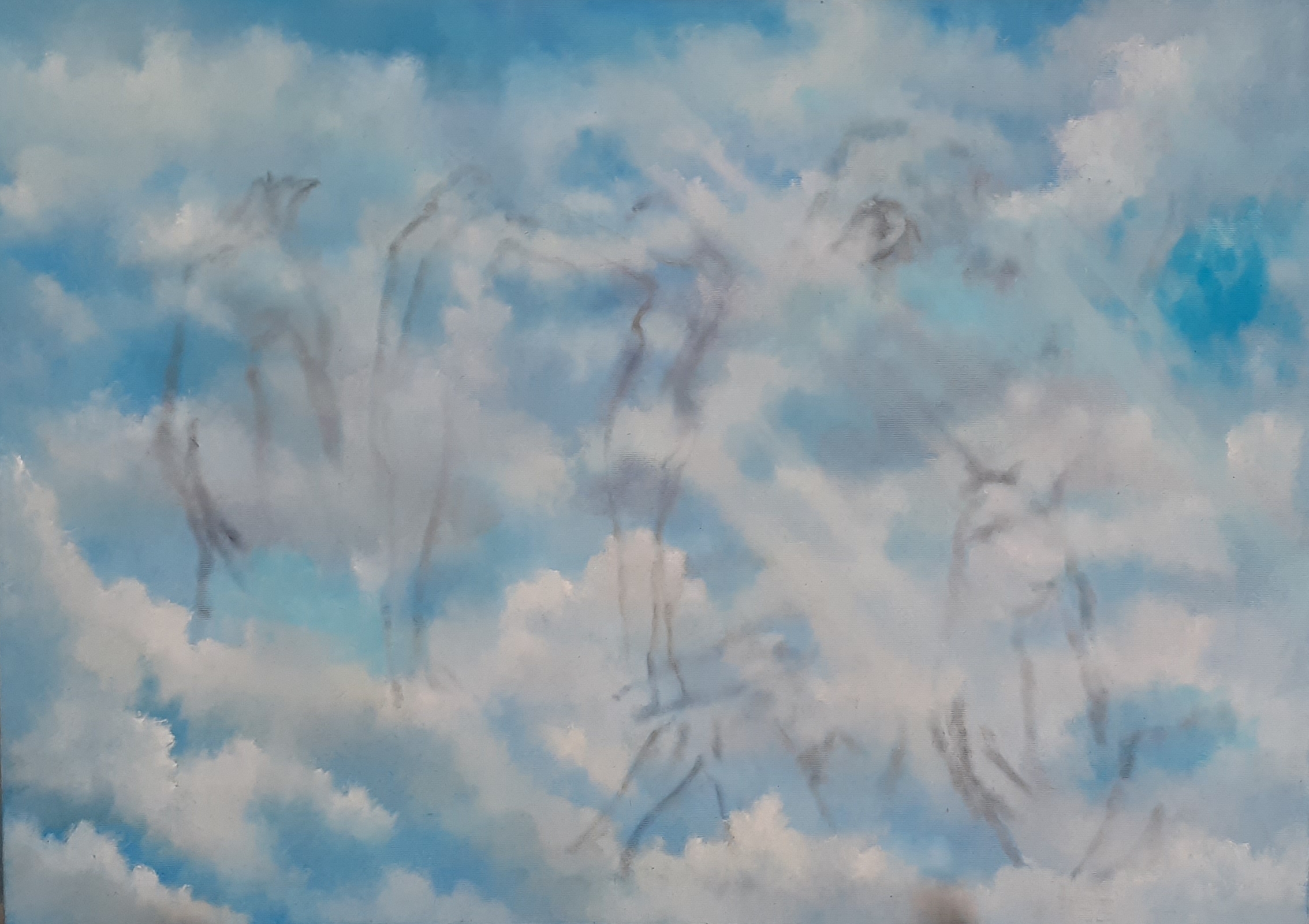
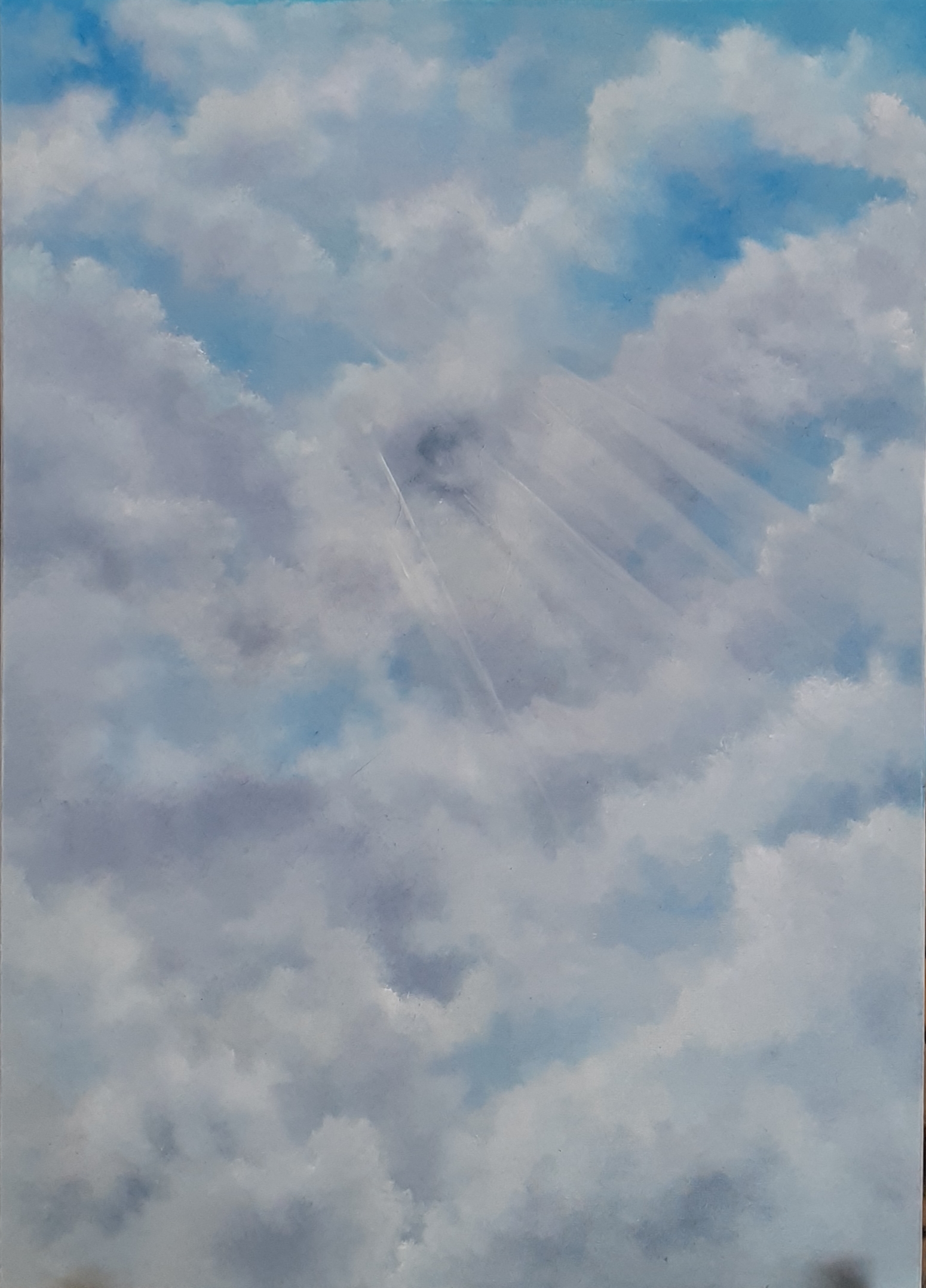


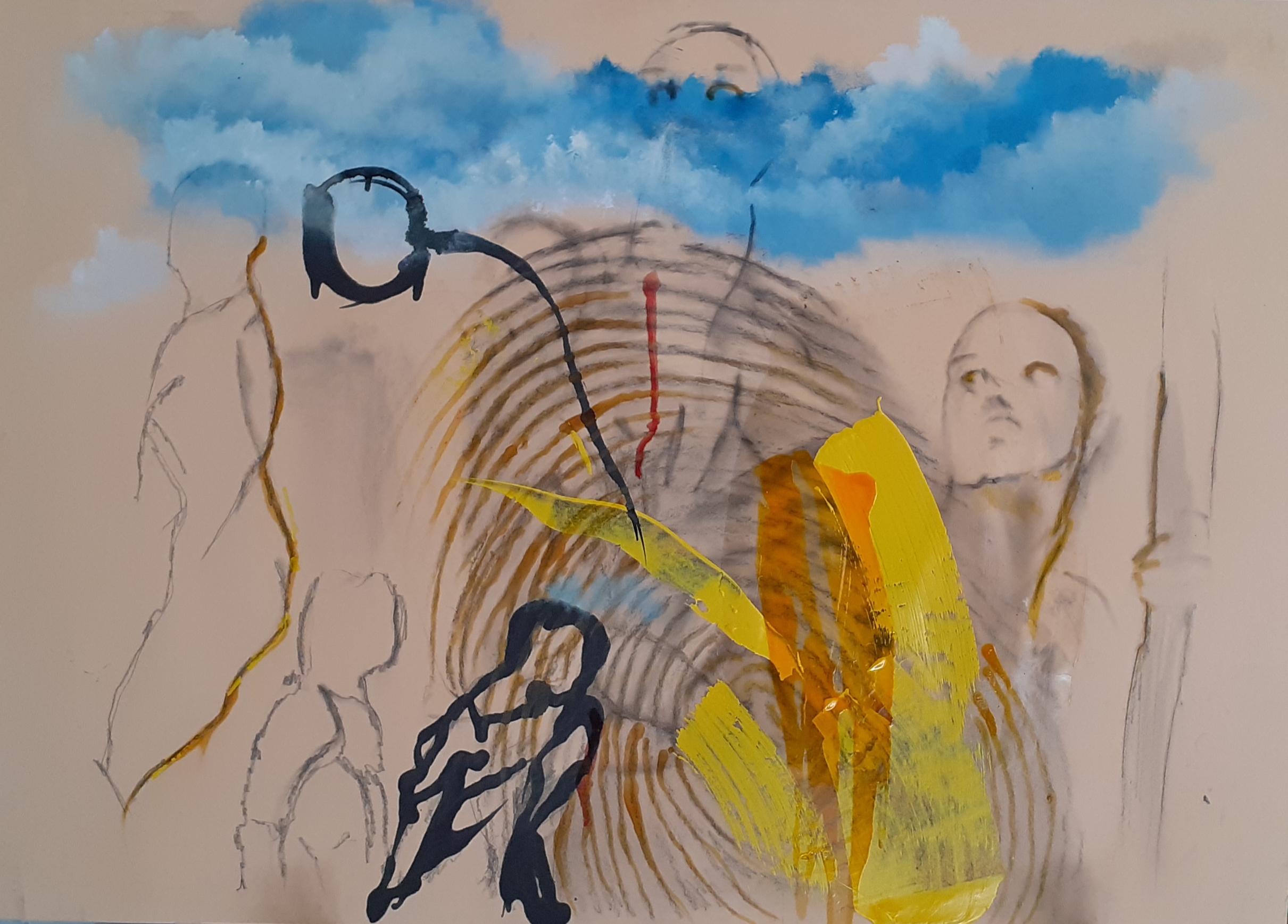
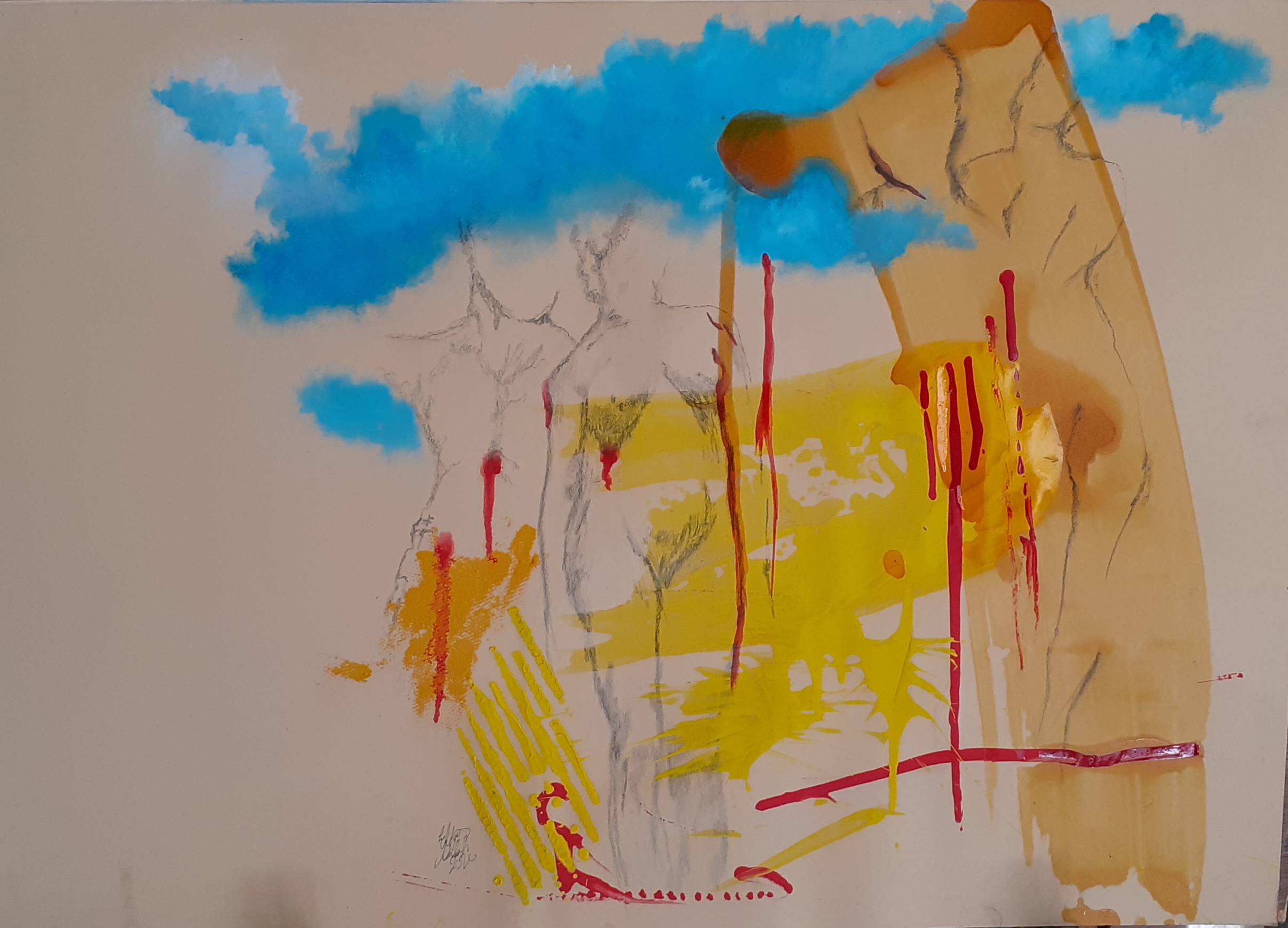


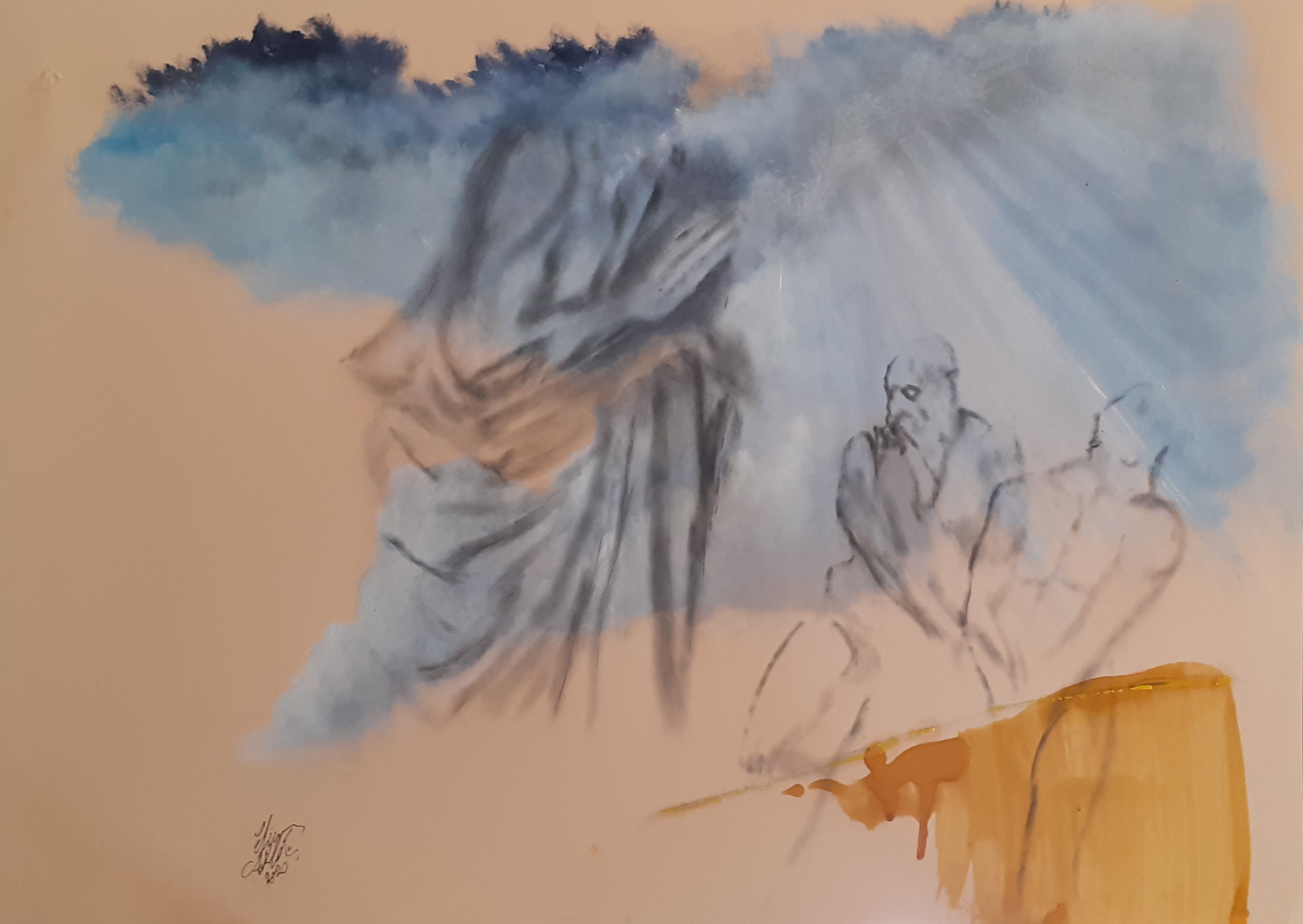


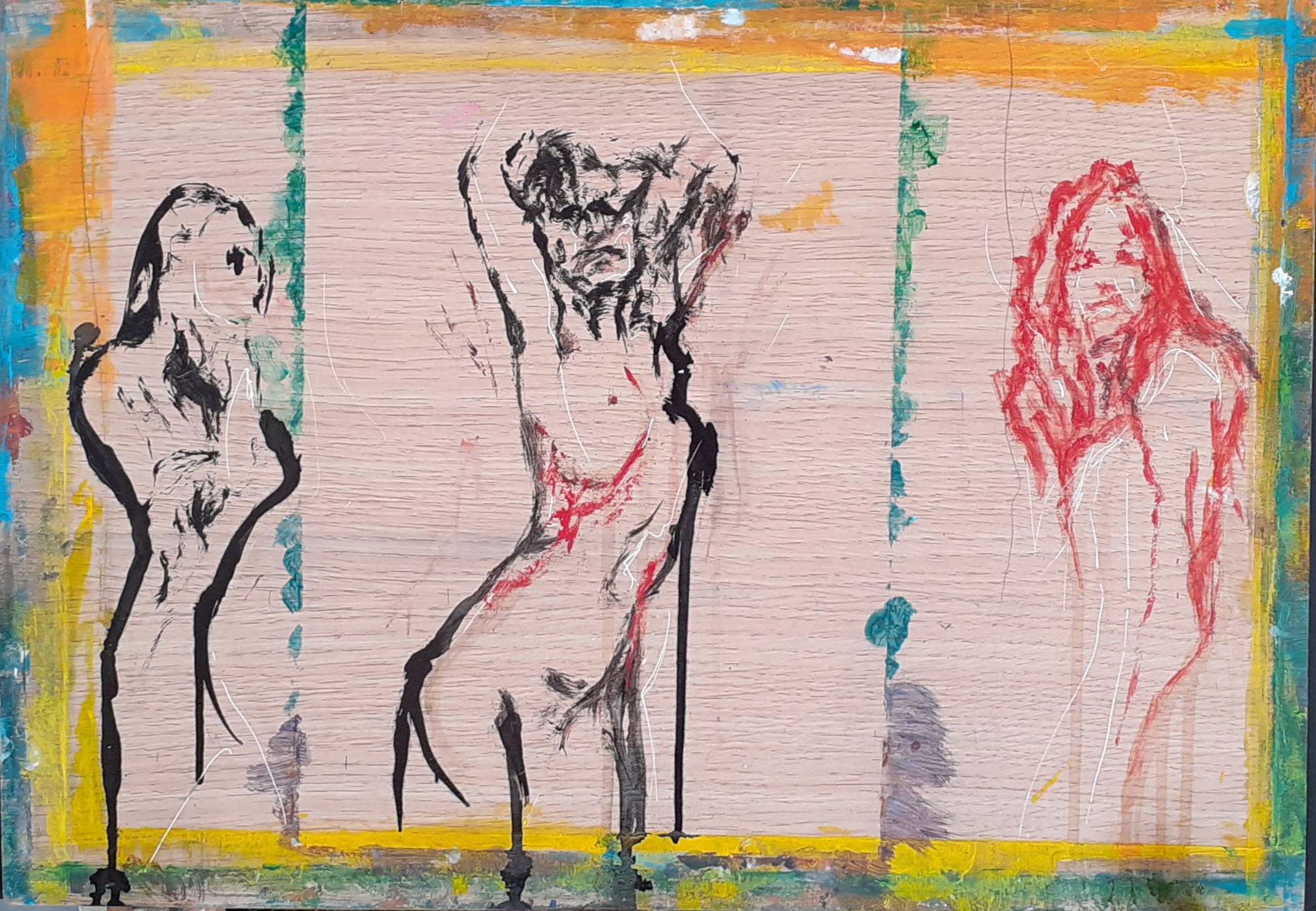
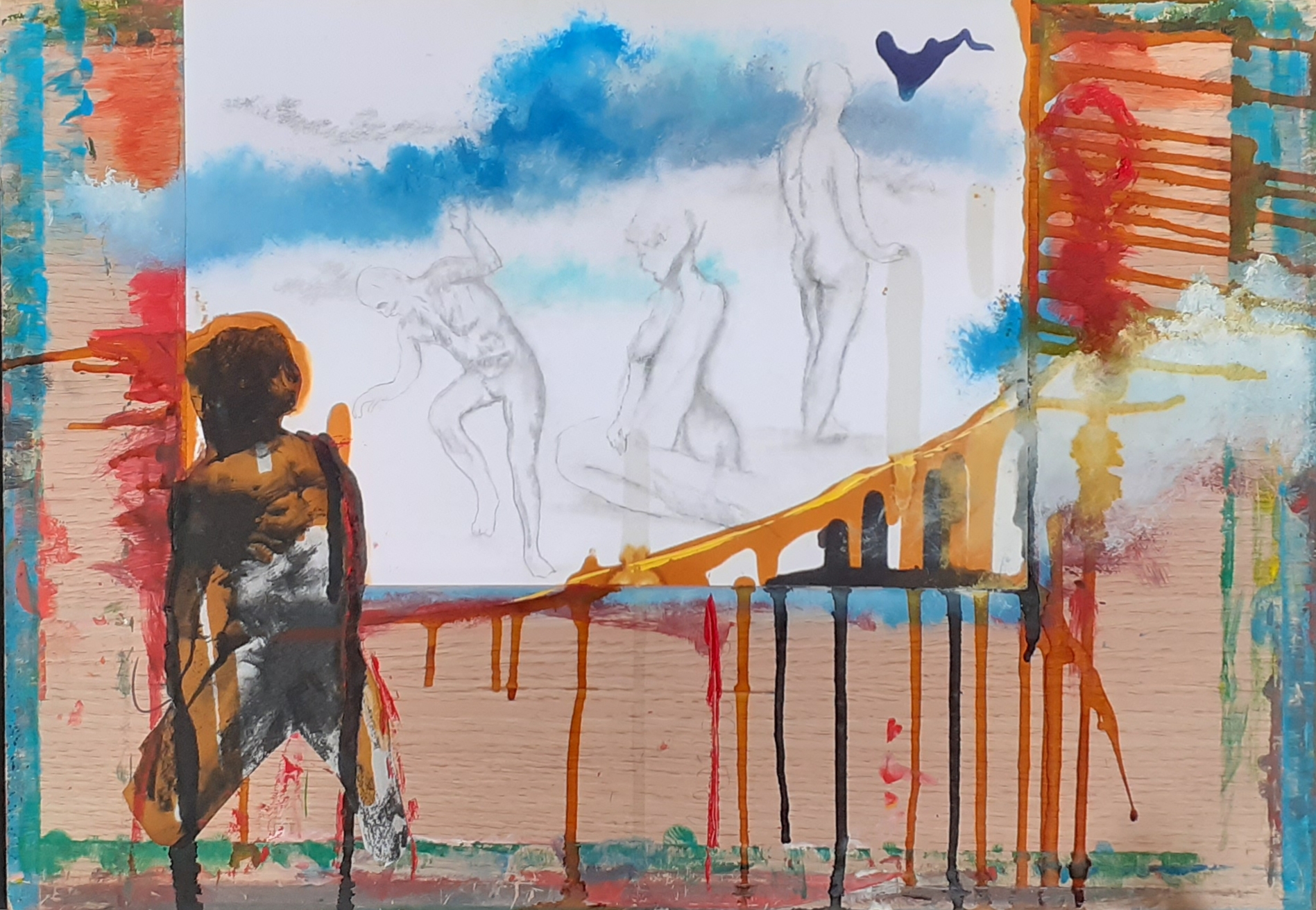
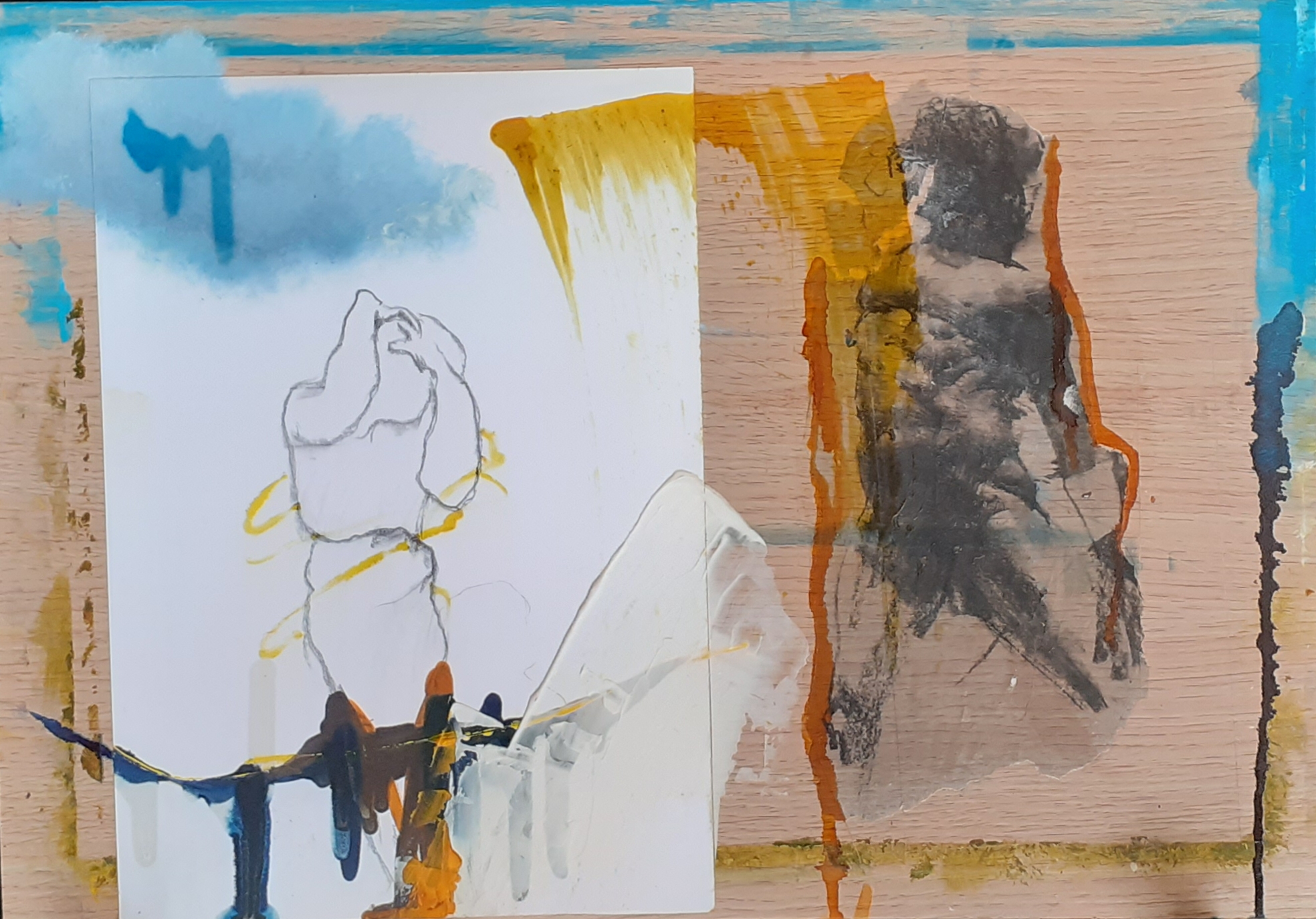
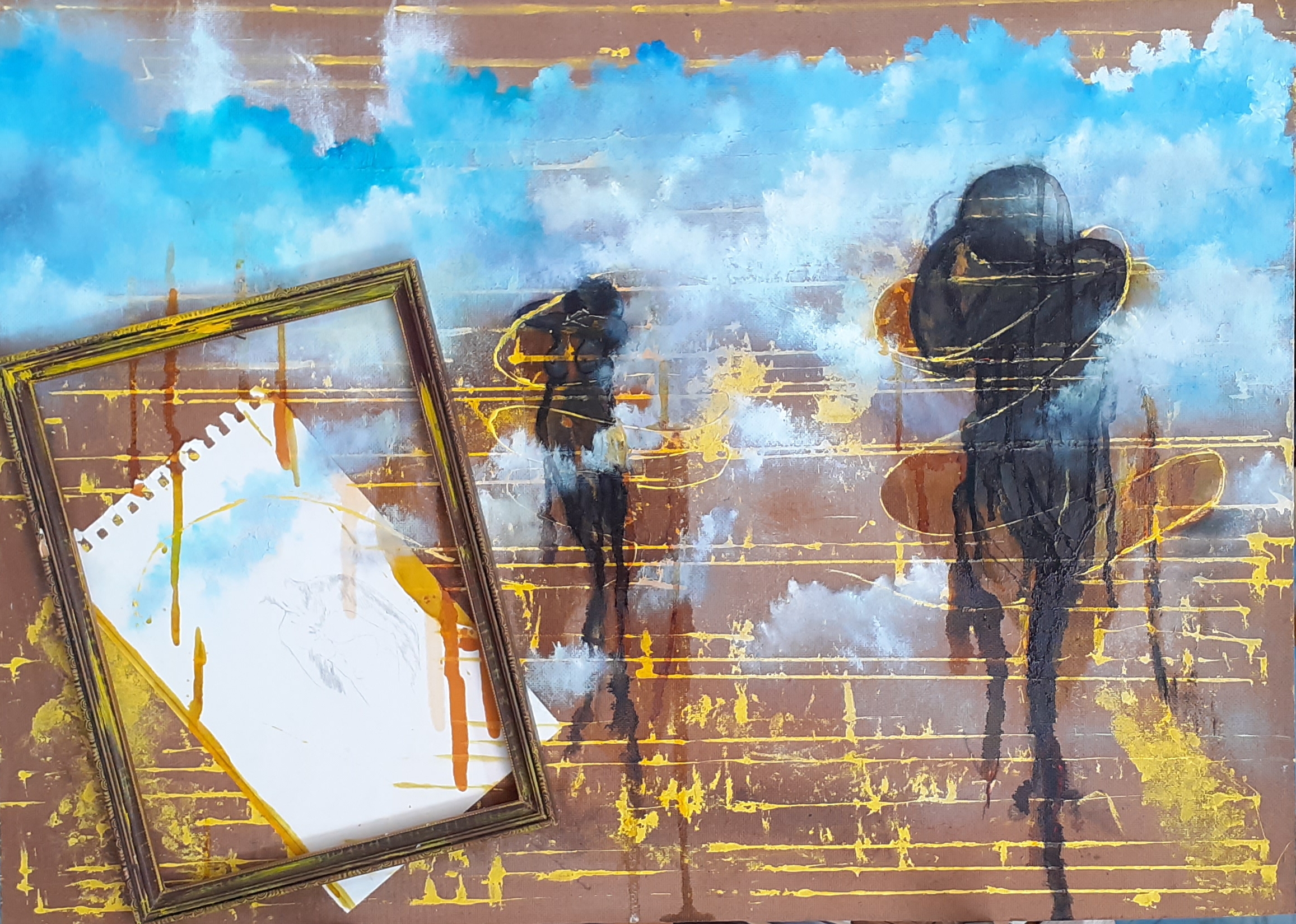


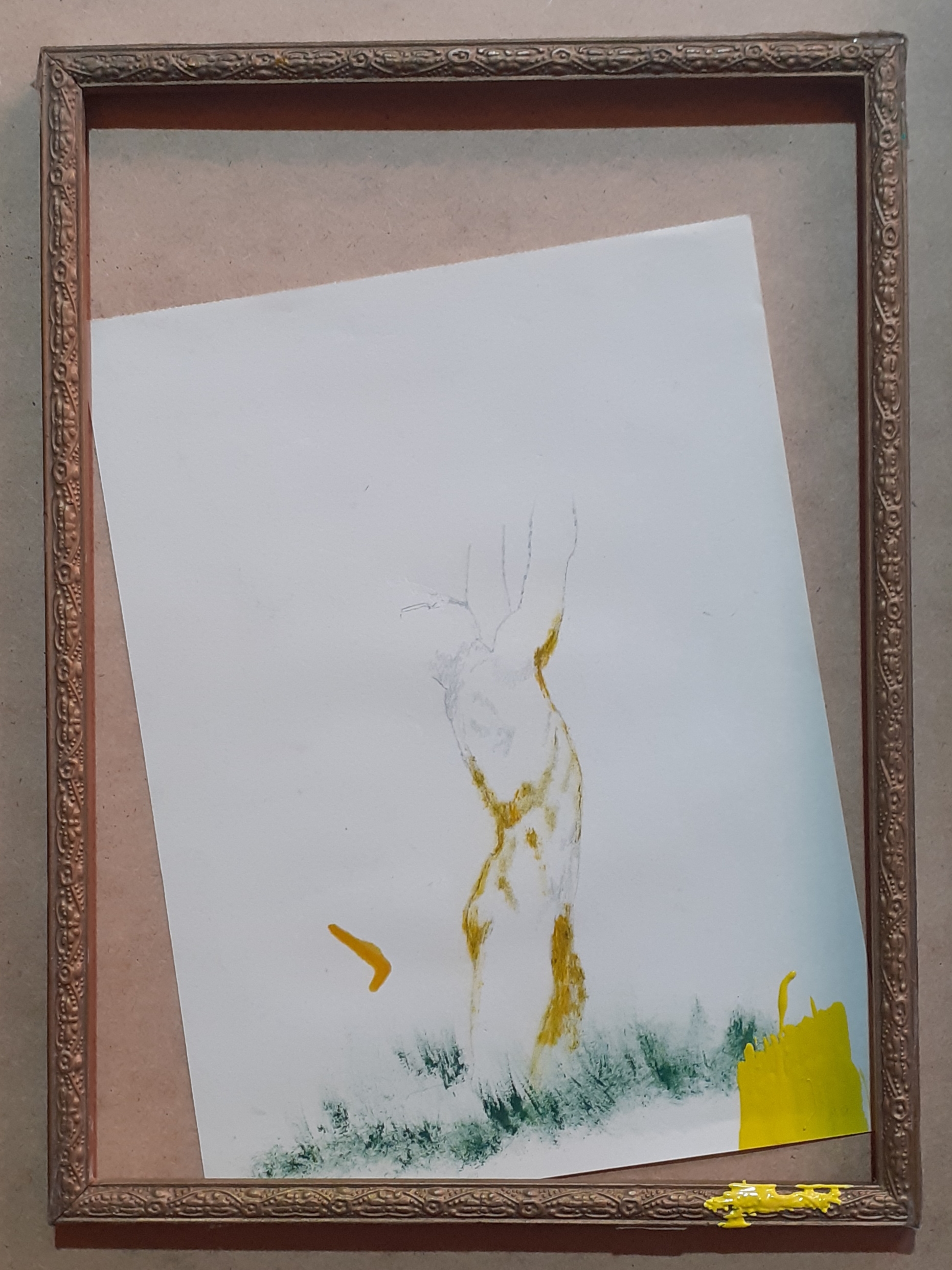

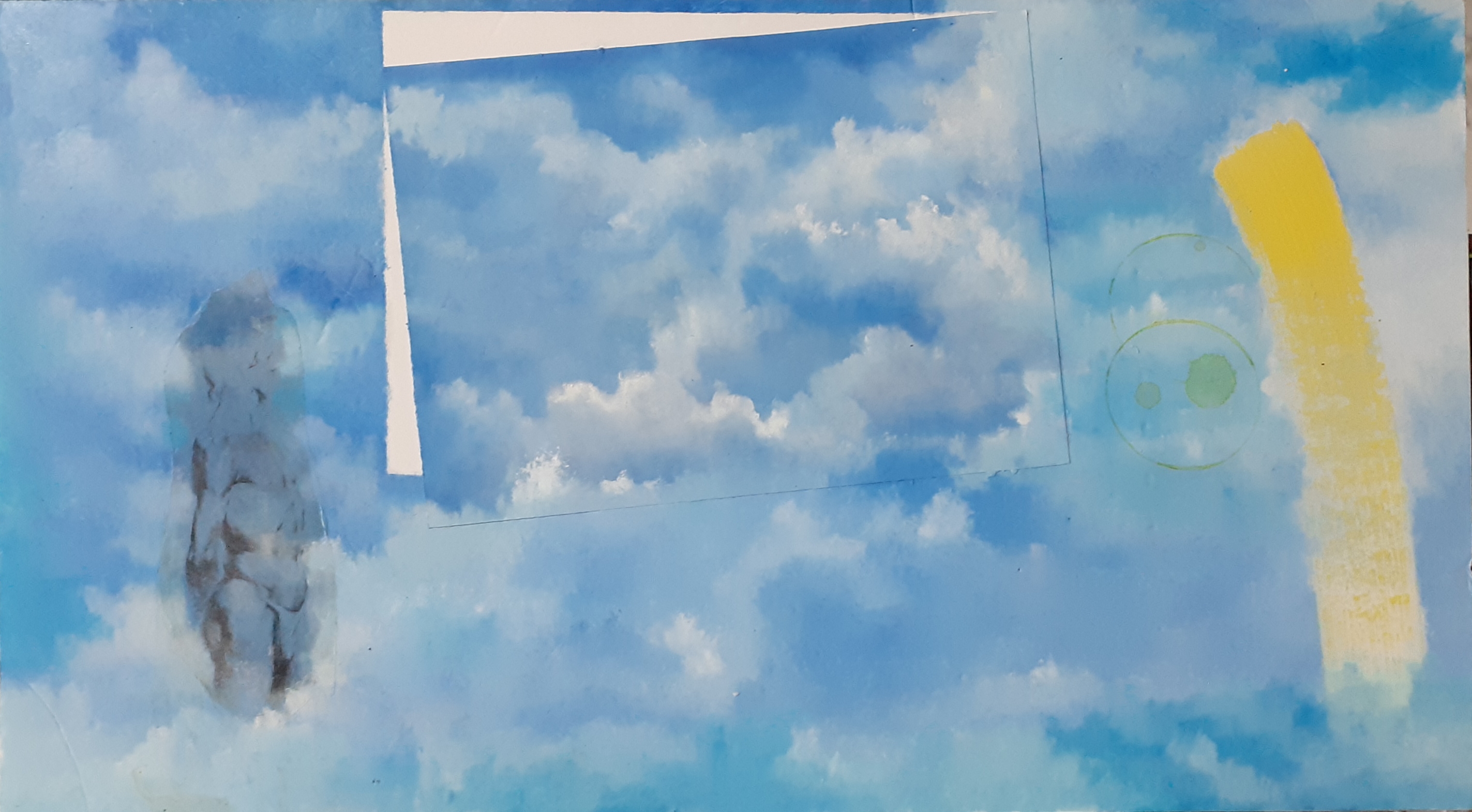
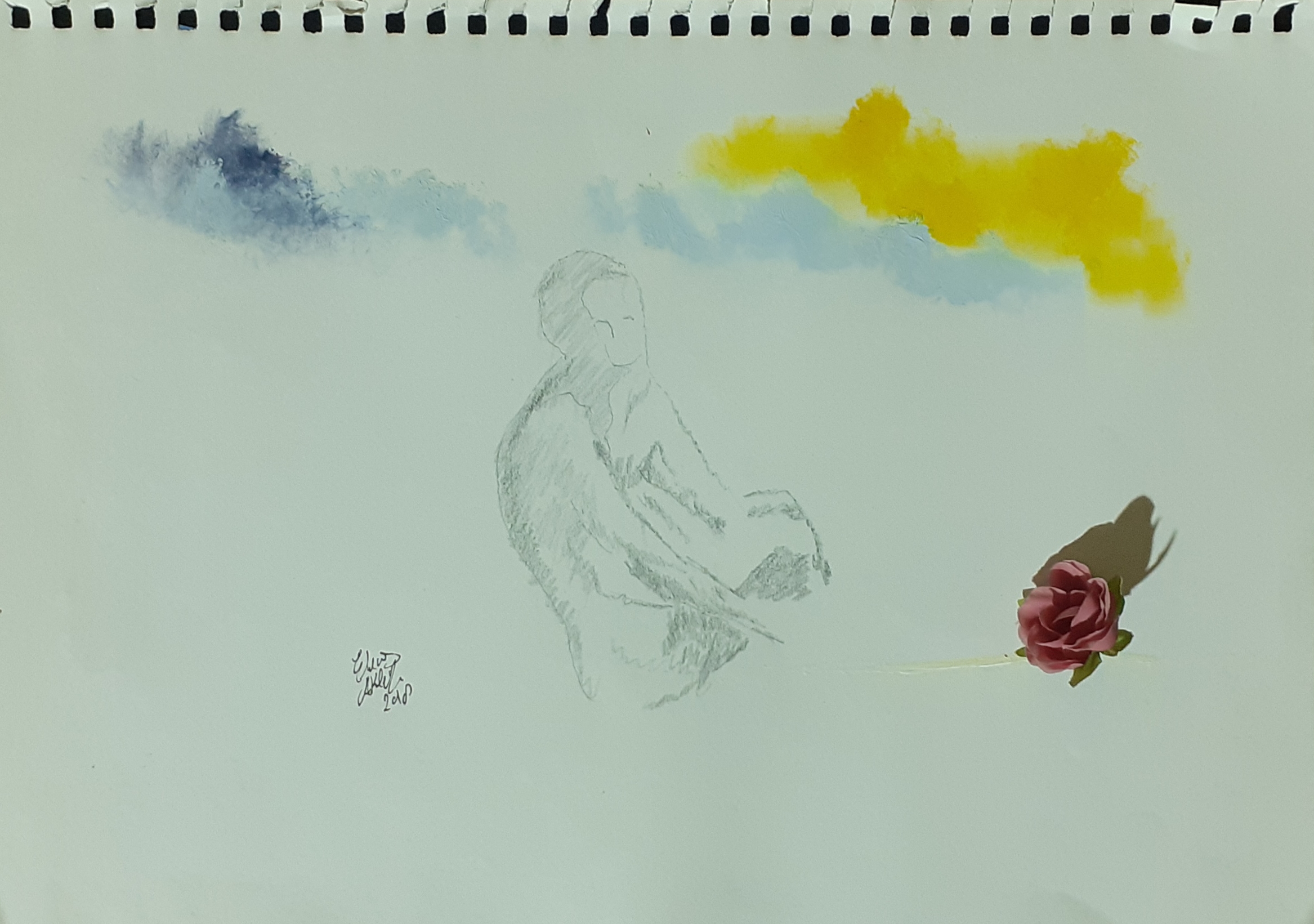

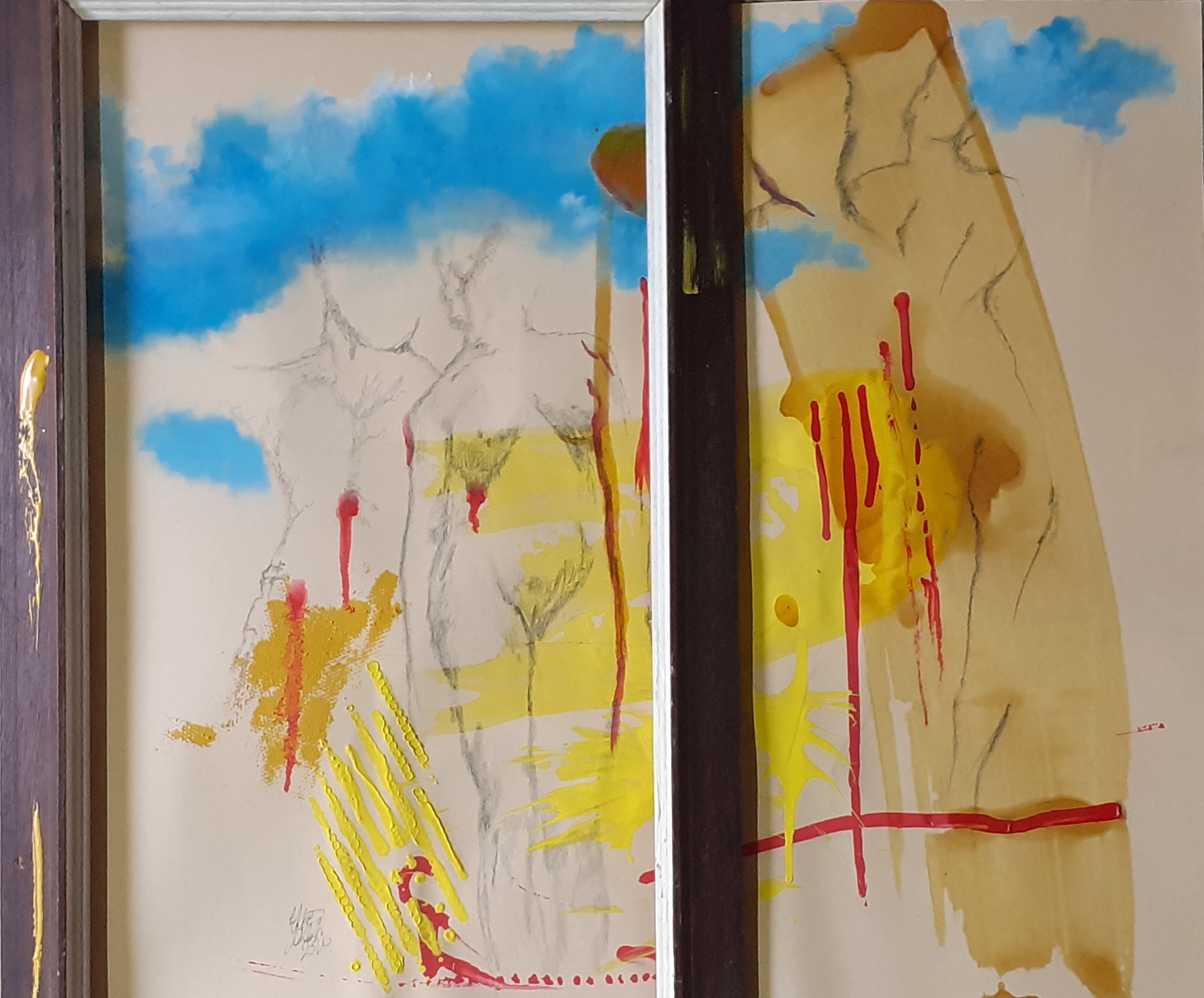
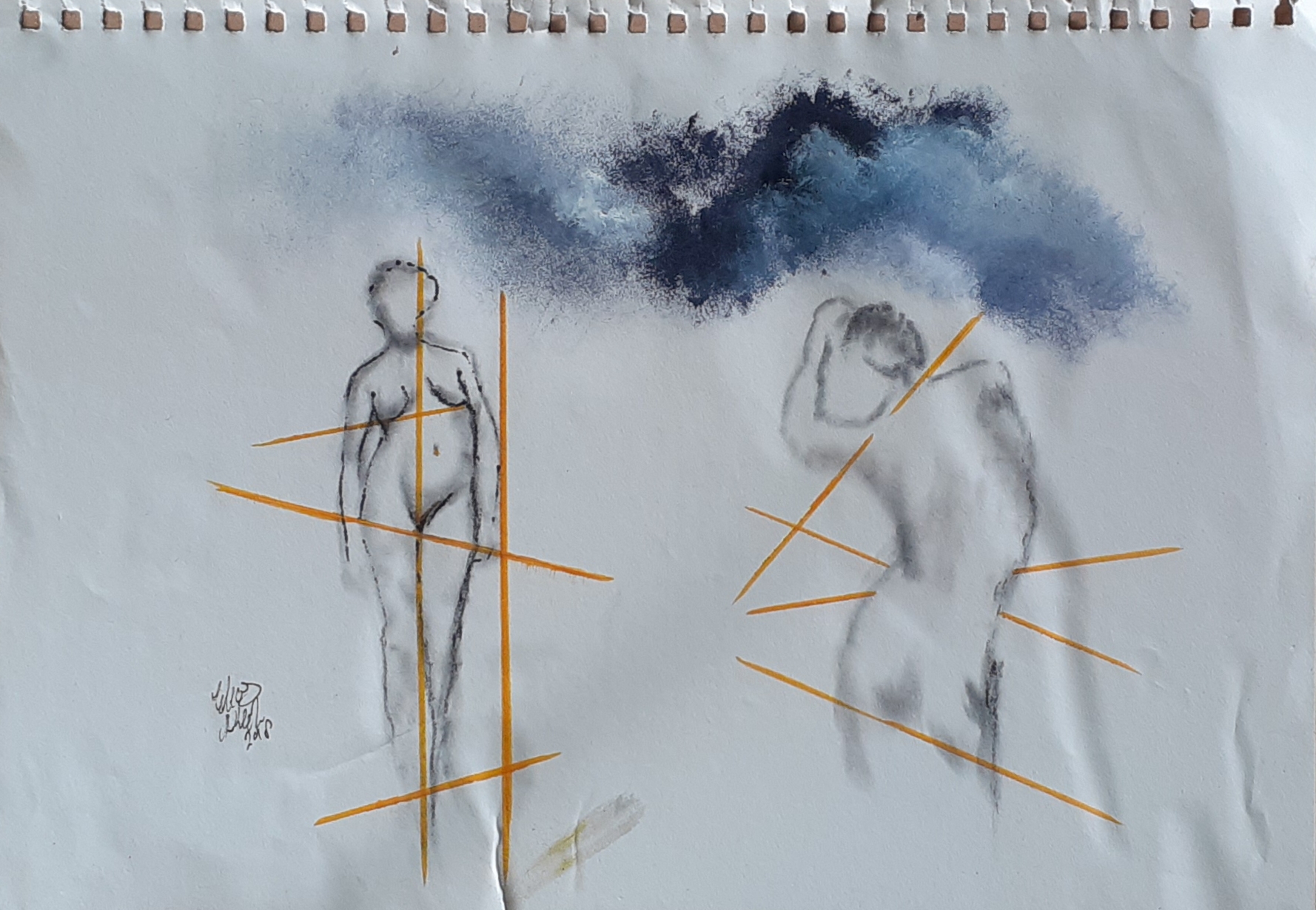

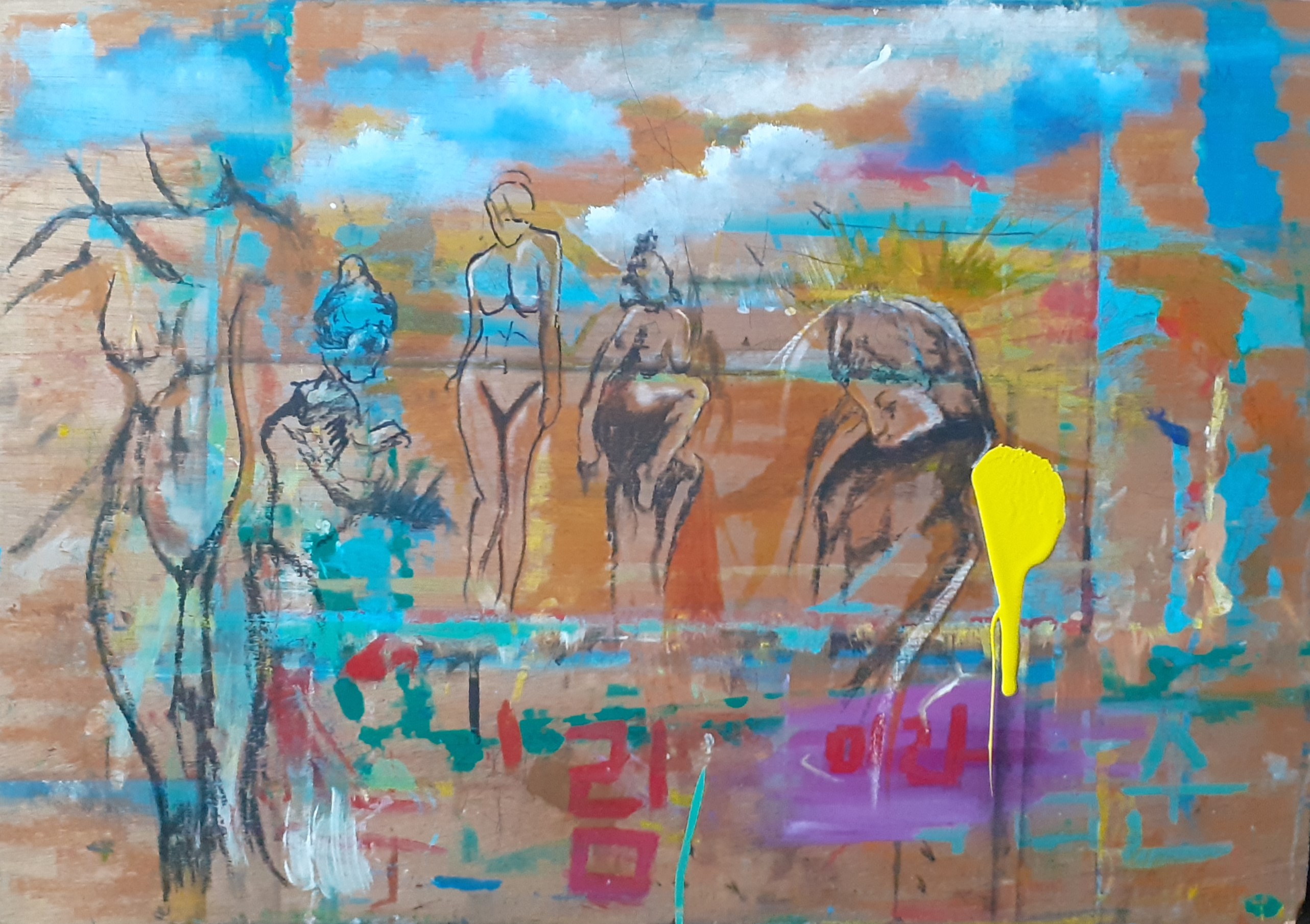

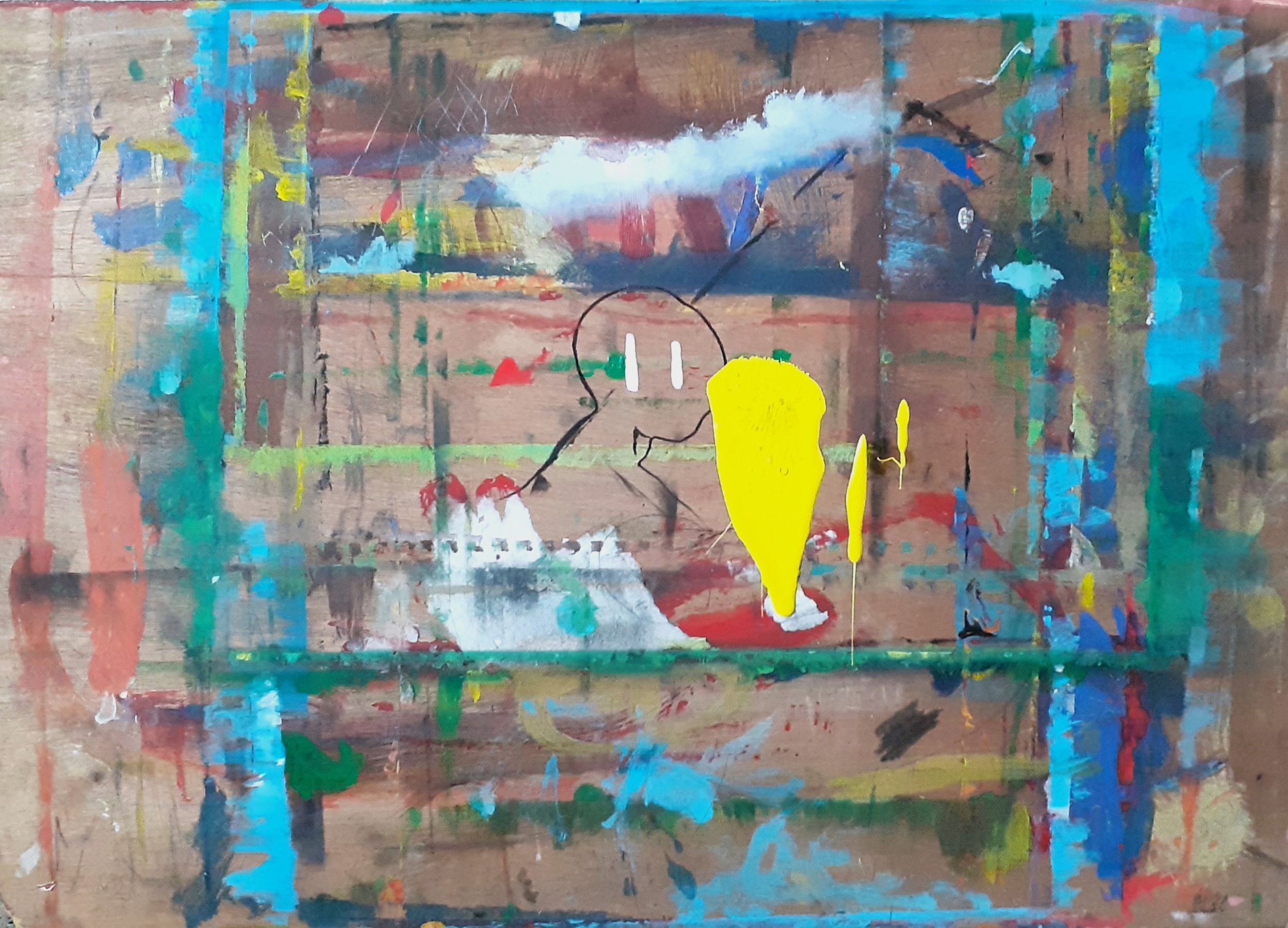
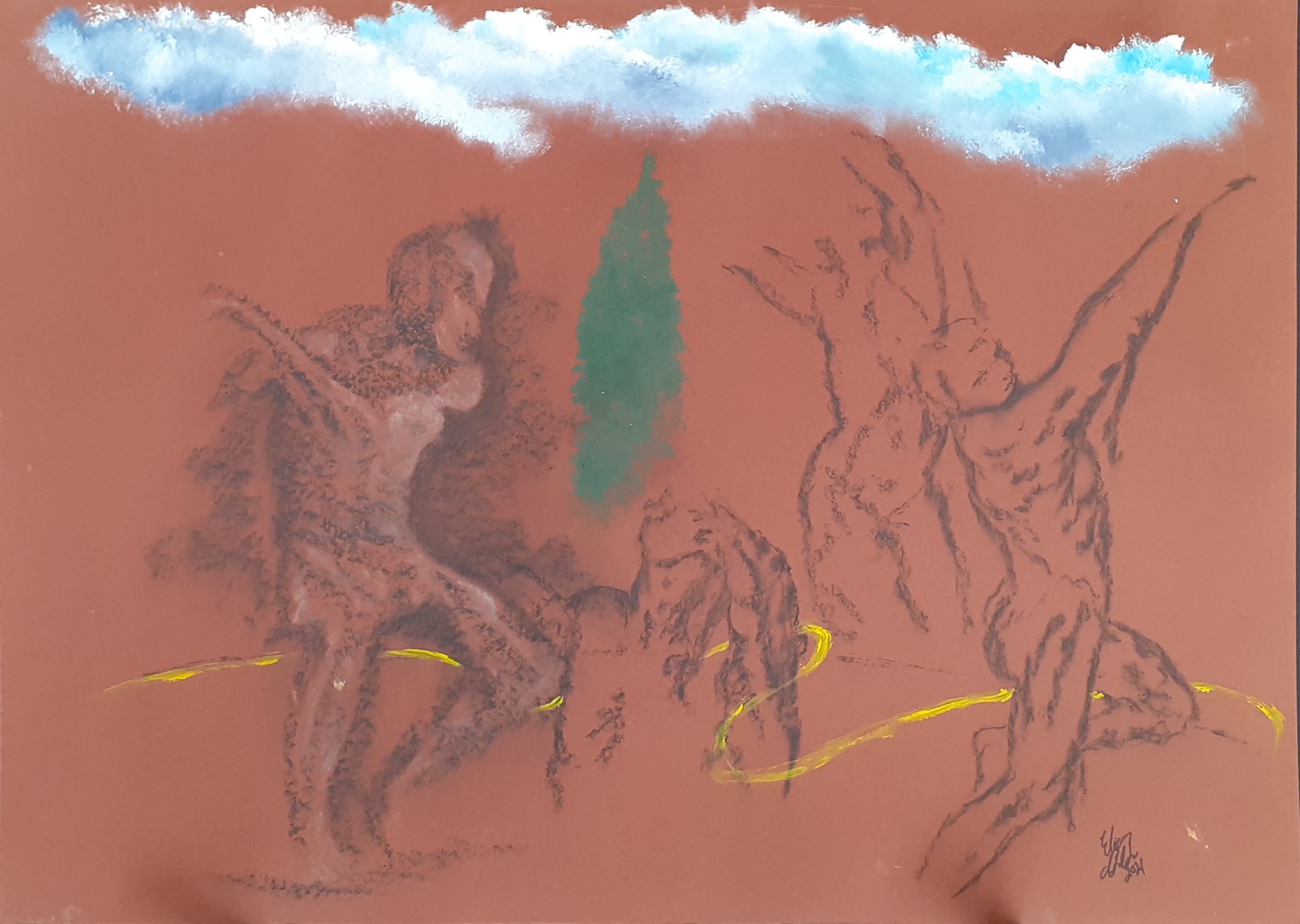


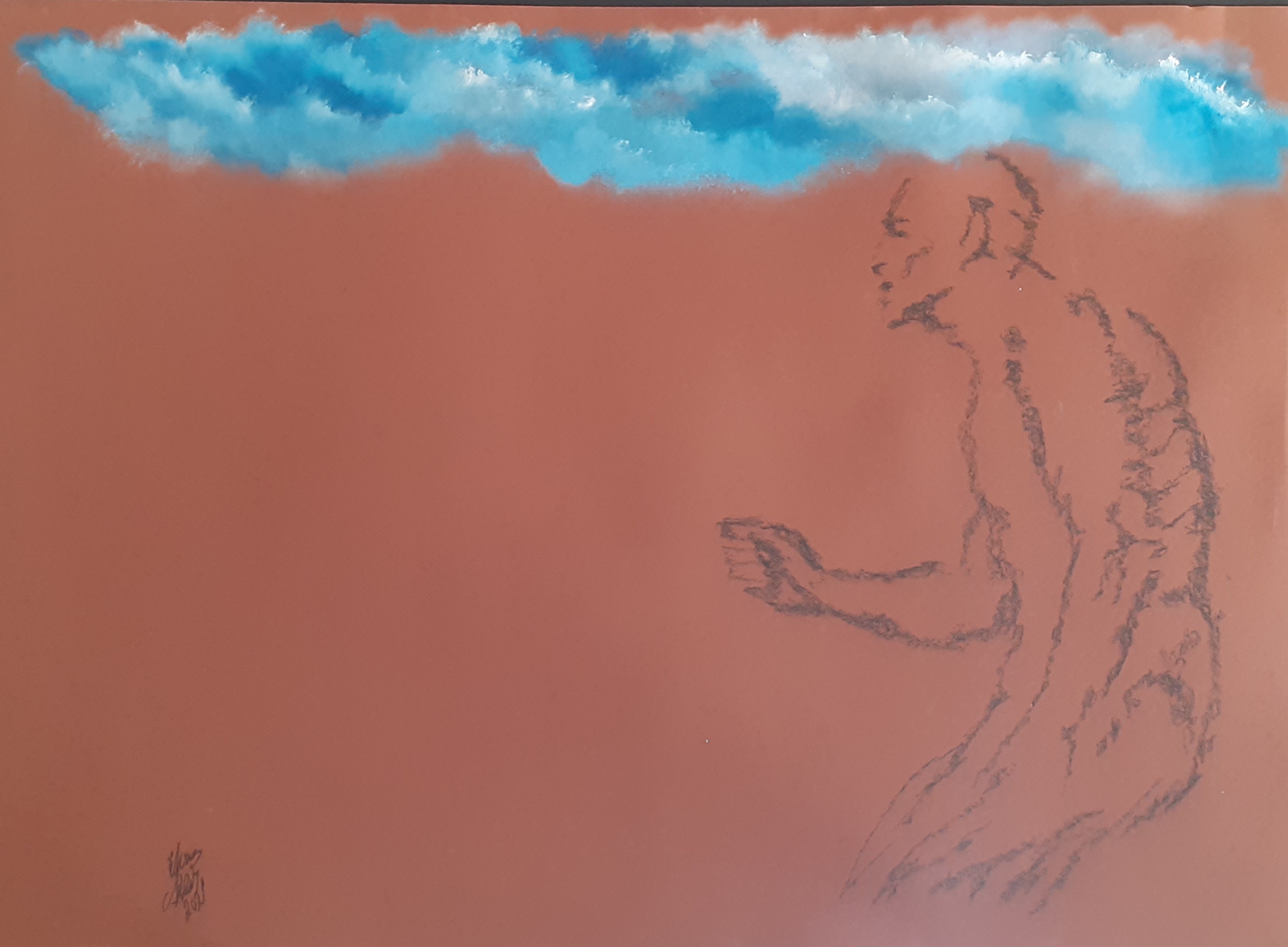
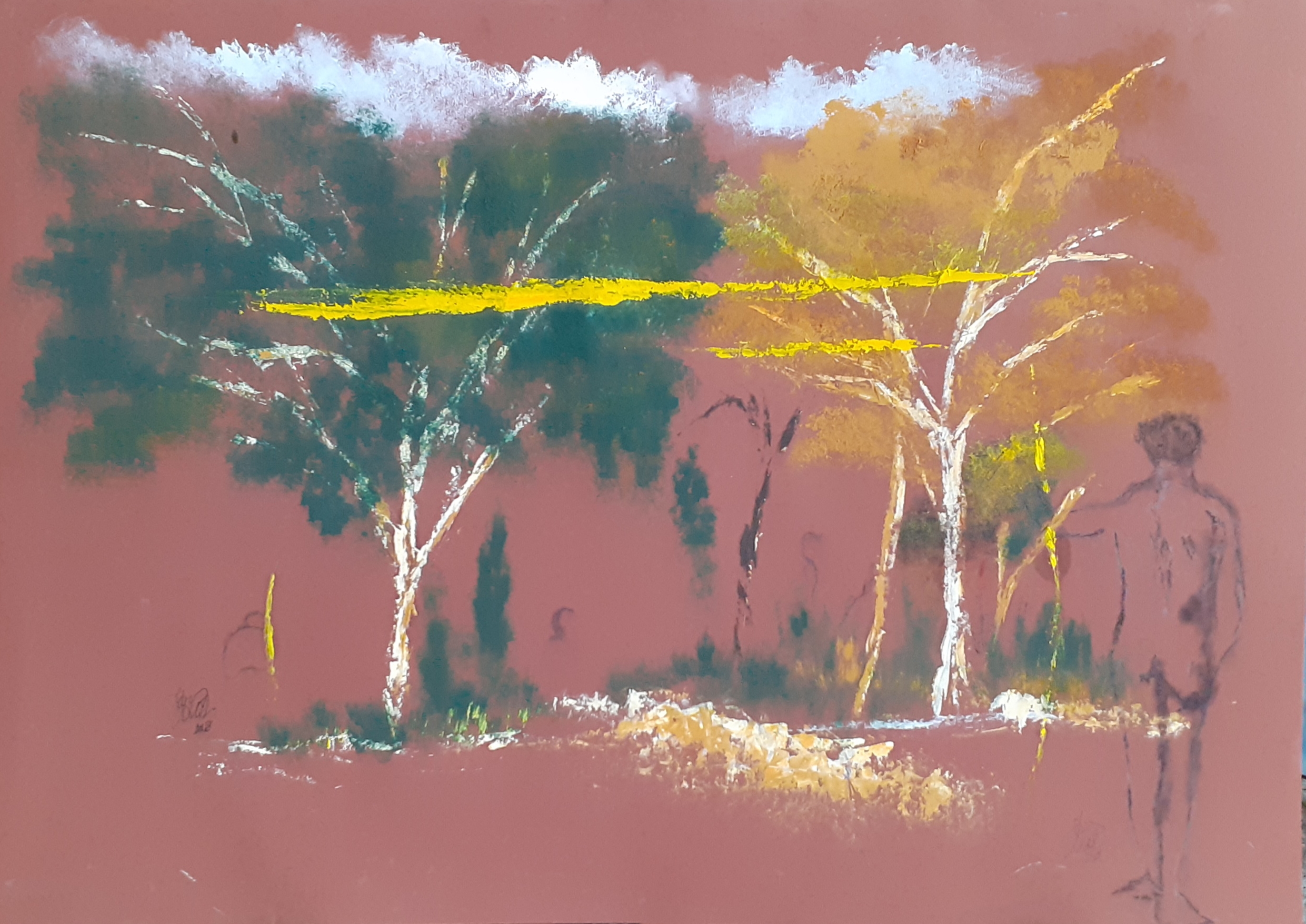
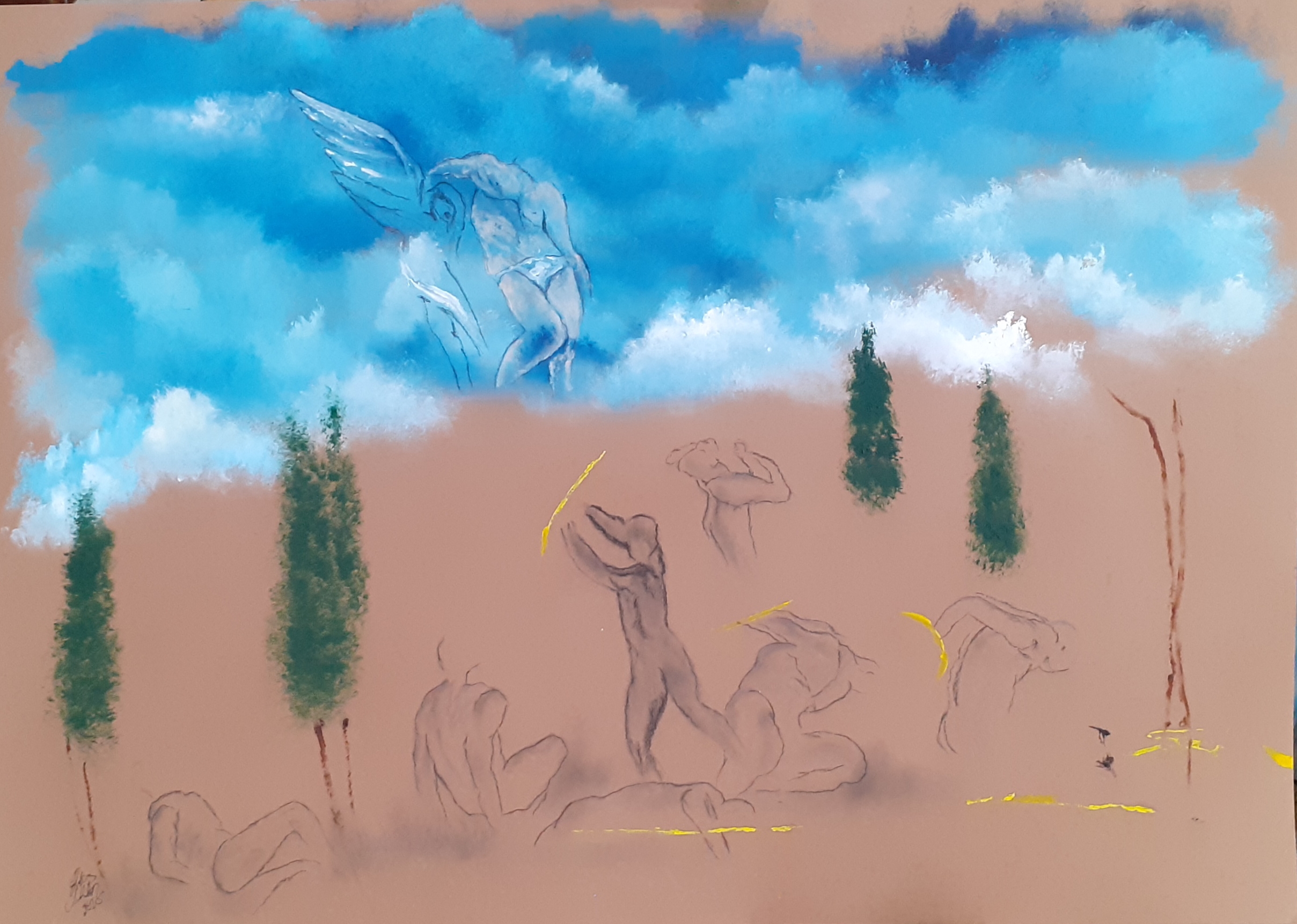


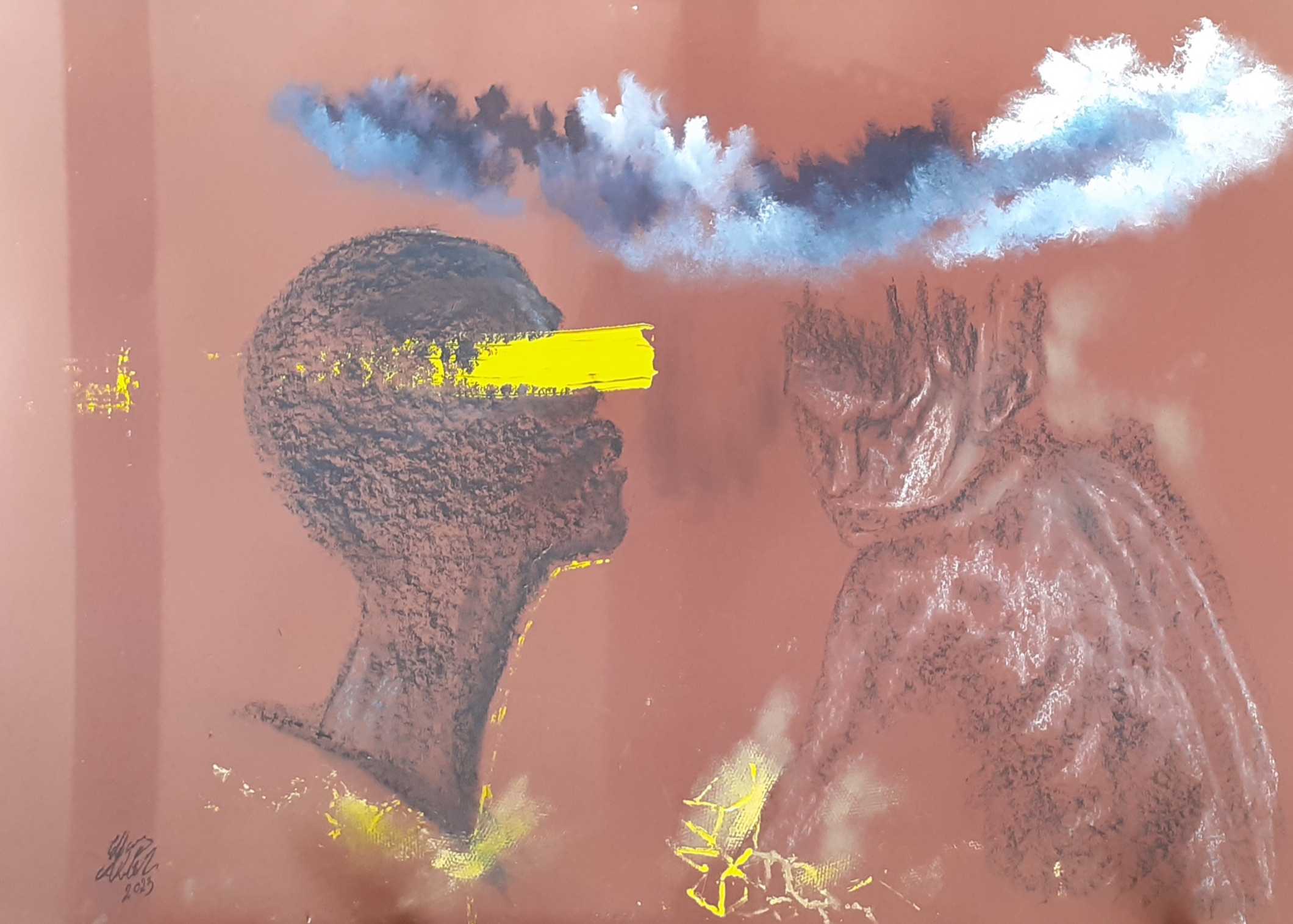
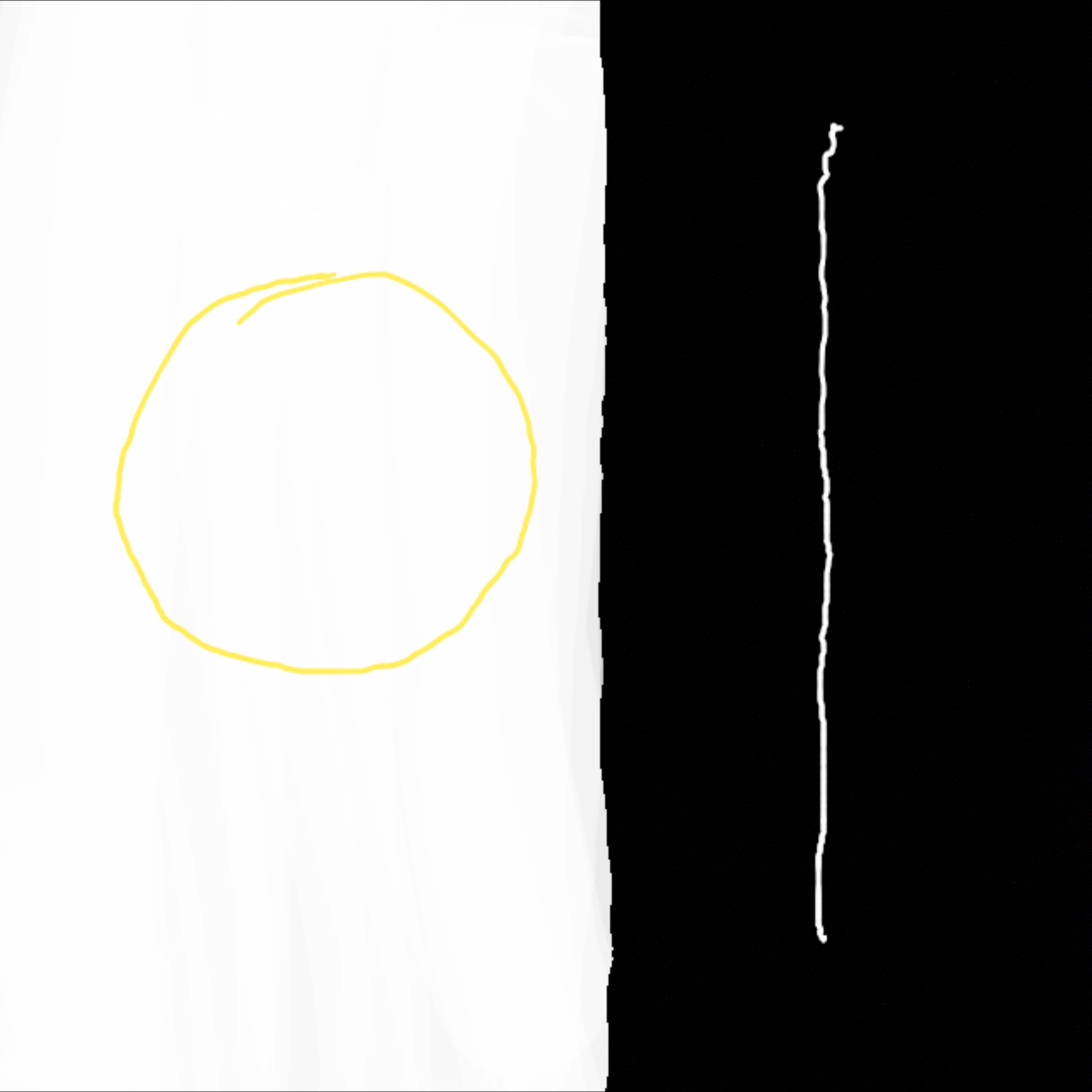
The term “Absolute Case” in the context of humanity’s abstract state could be interpreted as a representation of the fundamental, unchanging essence or condition of humanity. In this abstract case, it transcends specific cultural, temporal, or individual variations, capturing the universal and timeless aspects of the human experience.
DIGITAL







RELATED THEMES
ABSOLUTE CASE
NO TITLE
MISSION ACCOMPLISHED
REFUGEE
IN BETWEEN
for inquiring ARTWORKS
WhatsApp: +972 547748307
elias-naz-art@hotmail.com
 Elias Akleh visual artist